
How to Control Your Own Narrative (Before Someone Else Does)
How to Control Your Own Narrative (Before Someone Else Does)
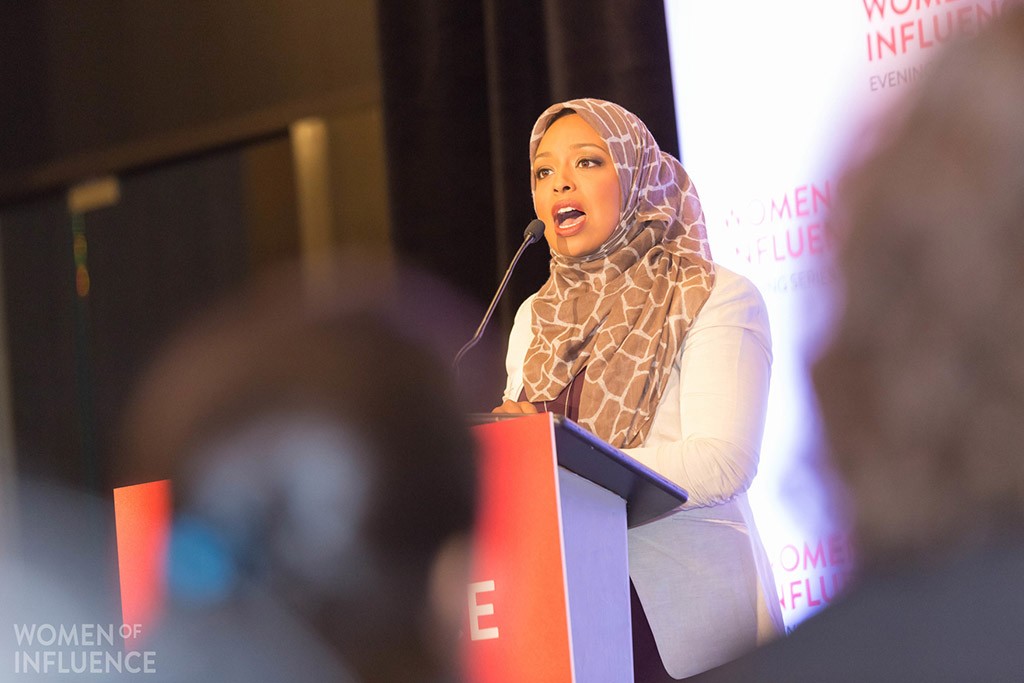
As a former news anchor, I spent over 15 years on the other side of the microphone, asking the questions, and choosing the interview clips that made it to air. So when I work with clients on pitching and preparing for media interviews, I'm not guessing at what journalists want — I know.
"They twisted my words..."
"I talked for 20 minutes and they didn't even use the most important part..."
"They never even asked me about X…"
These are the complaints I hear all the time. Despite preparing, somehow those being interviewed feel the story doesn't reflect what they actually meant to say. That’s because most people have never been taught how newsrooms work, what journalists are actually looking for, and how to confidently take control of the narrative, regardless of what’s being asked. And that knowledge gap can make engaging with media feel like a trap.
But it is possible to be confident and in control, with the right tools and preparation.
Here are five tips to pitching and preparing to speak with the media like a pro.
Timing is everything.
Most daily news outlets decide which stories to cover in their morning meeting. That means your pitch usually needs to land before 9am. By about 3pm, most journalists are already heads-down writing their final draft ahead of their submission deadline. If you send something out after that, you'll probably get ignored unless it’s massive breaking news. The recommended sweet spot for press conferences, events, or any media moment you're organizing is around 11am-3pm. That gives reporters enough time to research beforehand, cover it, and get back to their desk to write the story.
Be proactive and know who to call
You don't have to sit around waiting for a journalist to call you. You can pitch proactively — but you need to know who to contact. The assignment desk collects information and assigns stories to reporters. Chase producers or segment producers book guests on 24-hour news or radio programs. Individual reporters often don't choose their own stories, but they can go to bat for you inside the newsroom if you pitch them directly. You can usually find these contacts on the news outlet’s website, social media, or LinkedIn accounts.
Know what to ask before the interview
Before you agree to be interviewed, ask these three questions: Who am I talking to? (Look up the specific outlet and reporter.) What's the format? (is it TV, radio, print? Live or edited?) Can we do a pre-interview call? Journalists won't hand you a list of questions, but you can absolutely have a conversation about the topics beforehand, and also set expectations about what you can or can’t speak to, and ensures you’re on the same page about what you think is worth focusing on.
Know your message
If only one sentence from your interview were to get quoted, what would you want it to be? That's it. That's the whole game.
Whatever the answer is, everything you say should come back to that point. Don’t be afraid to be a broken record. Don’t take the bait and get derailed when asked questions that pull you away from your message. Remember (especially in edited reports and written articles) you will be reduced to a soundbite (a few short sentences). A media interview is not really a conversation – it’s a megaphone.
Final Tips and Tricks
Don’t wait to be asked the perfect question - ask it yourself, then answer it (“What I think is really interesting is…”
The art of the pivot - no matter what you are asked, always bring it back to your message (“What we’re really focused on is…”)
If you don’t know the answer (or don’t want to answer), bring it back to what you DO know - “What I CAN say is…”
And finally, practice, practice, practice! Don’t let the interview be the first time those words come out of your mouth. Build muscle memory on your key messaging, so no matter what you’re asked you can always bring the conversation back.
Interested in booking a Master the Media workshop? Get in touch (contact page).
Ginella Massa is an award-winning Canadian broadcaster, sought after public speaker and the CEO of Massa Media & Communication Inc. She has worked in both TV and radio, behind the scenes and on air, at many of Canada’s major networks, including CTV, CBC, and CityNews. Ginella helps corporate clients, political action groups, and non-profits build strong communications plans through both traditional and social media.
See what people are saying about Massa Media: https://share.google/JE3QTAEXfq2Vj7xpZ
Wondering if media training is right for you?
Take Our Assessment
More articles
Wednesday, July 22, 2026
Written by
Ginella Massa
Don't let perfection keep you from telling a good story.

Saturday, April 4, 2026
Written by
Ginella Massa
When Silence Damages the Brand: Weighing Legal vs. Reputational Risk
Friday, April 3, 2026
Written by
Ginella Massa
The Media Relations Advantage Most People Miss
Thursday, April 2, 2026
Written by
Ginella Massa
How to Control Your Own Narrative (Before Someone Else Does)
How to Control Your Own Narrative (Before Someone Else Does)
How to Control Your Own Narrative (Before Someone Else Does)
As a former news anchor, I spent over 15 years on the other side of the microphone, asking the questions, and choosing the interview clips that made it to air. So when I work with clients on pitching and preparing for media interviews, I'm not guessing at what journalists want — I know.
"They twisted my words..."
"I talked for 20 minutes and they didn't even use the most important part..."
"They never even asked me about X…"
These are the complaints I hear all the time. Despite preparing, somehow those being interviewed feel the story doesn't reflect what they actually meant to say. That’s because most people have never been taught how newsrooms work, what journalists are actually looking for, and how to confidently take control of the narrative, regardless of what’s being asked. And that knowledge gap can make engaging with media feel like a trap.
But it is possible to be confident and in control, with the right tools and preparation.
Here are five tips to pitching and preparing to speak with the media like a pro.
Timing is everything.
Most daily news outlets decide which stories to cover in their morning meeting. That means your pitch usually needs to land before 9am. By about 3pm, most journalists are already heads-down writing their final draft ahead of their submission deadline. If you send something out after that, you'll probably get ignored unless it’s massive breaking news. The recommended sweet spot for press conferences, events, or any media moment you're organizing is around 11am-3pm. That gives reporters enough time to research beforehand, cover it, and get back to their desk to write the story.
Be proactive and know who to call
You don't have to sit around waiting for a journalist to call you. You can pitch proactively — but you need to know who to contact. The assignment desk collects information and assigns stories to reporters. Chase producers or segment producers book guests on 24-hour news or radio programs. Individual reporters often don't choose their own stories, but they can go to bat for you inside the newsroom if you pitch them directly. You can usually find these contacts on the news outlet’s website, social media, or LinkedIn accounts.
Know what to ask before the interview
Before you agree to be interviewed, ask these three questions: Who am I talking to? (Look up the specific outlet and reporter.) What's the format? (is it TV, radio, print? Live or edited?) Can we do a pre-interview call? Journalists won't hand you a list of questions, but you can absolutely have a conversation about the topics beforehand, and also set expectations about what you can or can’t speak to, and ensures you’re on the same page about what you think is worth focusing on.
Know your message
If only one sentence from your interview were to get quoted, what would you want it to be? That's it. That's the whole game.
Whatever the answer is, everything you say should come back to that point. Don’t be afraid to be a broken record. Don’t take the bait and get derailed when asked questions that pull you away from your message. Remember (especially in edited reports and written articles) you will be reduced to a soundbite (a few short sentences). A media interview is not really a conversation – it’s a megaphone.
Final Tips and Tricks
Don’t wait to be asked the perfect question - ask it yourself, then answer it (“What I think is really interesting is…”
The art of the pivot - no matter what you are asked, always bring it back to your message (“What we’re really focused on is…”)
If you don’t know the answer (or don’t want to answer), bring it back to what you DO know - “What I CAN say is…”
And finally, practice, practice, practice! Don’t let the interview be the first time those words come out of your mouth. Build muscle memory on your key messaging, so no matter what you’re asked you can always bring the conversation back.
Interested in booking a Master the Media workshop? Get in touch (contact page).
Ginella Massa is an award-winning Canadian broadcaster, sought after public speaker and the CEO of Massa Media & Communication Inc. She has worked in both TV and radio, behind the scenes and on air, at many of Canada’s major networks, including CTV, CBC, and CityNews. Ginella helps corporate clients, political action groups, and non-profits build strong communications plans through both traditional and social media.
See what people are saying about Massa Media: https://share.google/JE3QTAEXfq2Vj7xpZ
Wondering if media training is right for you?
Take Our Assessment
More articles
Don't let perfection keep you from telling a good story.
When Silence Damages the Brand: Weighing Legal vs. Reputational Risk
The Media Relations Advantage Most People Miss
How to Control Your Own Narrative (Before Someone Else Does)
How to Control Your Own Narrative (Before Someone Else Does)
How to Control Your Own Narrative (Before Someone Else Does)
As a former news anchor, I spent over 15 years on the other side of the microphone, asking the questions, and choosing the interview clips that made it to air. So when I work with clients on pitching and preparing for media interviews, I'm not guessing at what journalists want — I know.
"They twisted my words..."
"I talked for 20 minutes and they didn't even use the most important part..."
"They never even asked me about X…"
These are the complaints I hear all the time. Despite preparing, somehow those being interviewed feel the story doesn't reflect what they actually meant to say. That’s because most people have never been taught how newsrooms work, what journalists are actually looking for, and how to confidently take control of the narrative, regardless of what’s being asked. And that knowledge gap can make engaging with media feel like a trap.
But it is possible to be confident and in control, with the right tools and preparation.
Here are five tips to pitching and preparing to speak with the media like a pro.
Timing is everything.
Most daily news outlets decide which stories to cover in their morning meeting. That means your pitch usually needs to land before 9am. By about 3pm, most journalists are already heads-down writing their final draft ahead of their submission deadline. If you send something out after that, you'll probably get ignored unless it’s massive breaking news. The recommended sweet spot for press conferences, events, or any media moment you're organizing is around 11am-3pm. That gives reporters enough time to research beforehand, cover it, and get back to their desk to write the story.
Be proactive and know who to call
You don't have to sit around waiting for a journalist to call you. You can pitch proactively — but you need to know who to contact. The assignment desk collects information and assigns stories to reporters. Chase producers or segment producers book guests on 24-hour news or radio programs. Individual reporters often don't choose their own stories, but they can go to bat for you inside the newsroom if you pitch them directly. You can usually find these contacts on the news outlet’s website, social media, or LinkedIn accounts.
Know what to ask before the interview
Before you agree to be interviewed, ask these three questions: Who am I talking to? (Look up the specific outlet and reporter.) What's the format? (is it TV, radio, print? Live or edited?) Can we do a pre-interview call? Journalists won't hand you a list of questions, but you can absolutely have a conversation about the topics beforehand, and also set expectations about what you can or can’t speak to, and ensures you’re on the same page about what you think is worth focusing on.
Know your message
If only one sentence from your interview were to get quoted, what would you want it to be? That's it. That's the whole game.
Whatever the answer is, everything you say should come back to that point. Don’t be afraid to be a broken record. Don’t take the bait and get derailed when asked questions that pull you away from your message. Remember (especially in edited reports and written articles) you will be reduced to a soundbite (a few short sentences). A media interview is not really a conversation – it’s a megaphone.
Final Tips and Tricks
Don’t wait to be asked the perfect question - ask it yourself, then answer it (“What I think is really interesting is…”
The art of the pivot - no matter what you are asked, always bring it back to your message (“What we’re really focused on is…”)
If you don’t know the answer (or don’t want to answer), bring it back to what you DO know - “What I CAN say is…”
And finally, practice, practice, practice! Don’t let the interview be the first time those words come out of your mouth. Build muscle memory on your key messaging, so no matter what you’re asked you can always bring the conversation back.
Interested in booking a Master the Media workshop? Get in touch (contact page).
Ginella Massa is an award-winning Canadian broadcaster, sought after public speaker and the CEO of Massa Media & Communication Inc. She has worked in both TV and radio, behind the scenes and on air, at many of Canada’s major networks, including CTV, CBC, and CityNews. Ginella helps corporate clients, political action groups, and non-profits build strong communications plans through both traditional and social media.
See what people are saying about Massa Media: https://share.google/JE3QTAEXfq2Vj7xpZ
Wondering if media training is right for you?
Take Our Assessment
More articles
Don't let perfection keep you from telling a good story.
When Silence Damages the Brand: Weighing Legal vs. Reputational Risk
The Media Relations Advantage Most People Miss
How to Control Your Own Narrative (Before Someone Else Does)
Let's create the news.
Together.
For select speaking engagements, media inquiries, and partnership opportunities.







Let's create the news.
Together.
For select speaking engagements, media inquiries, and partnership opportunities.

Let's create the news.
Together.
For select speaking engagements, media inquiries, and partnership opportunities.