
Don't let perfection keep you from telling a good story.
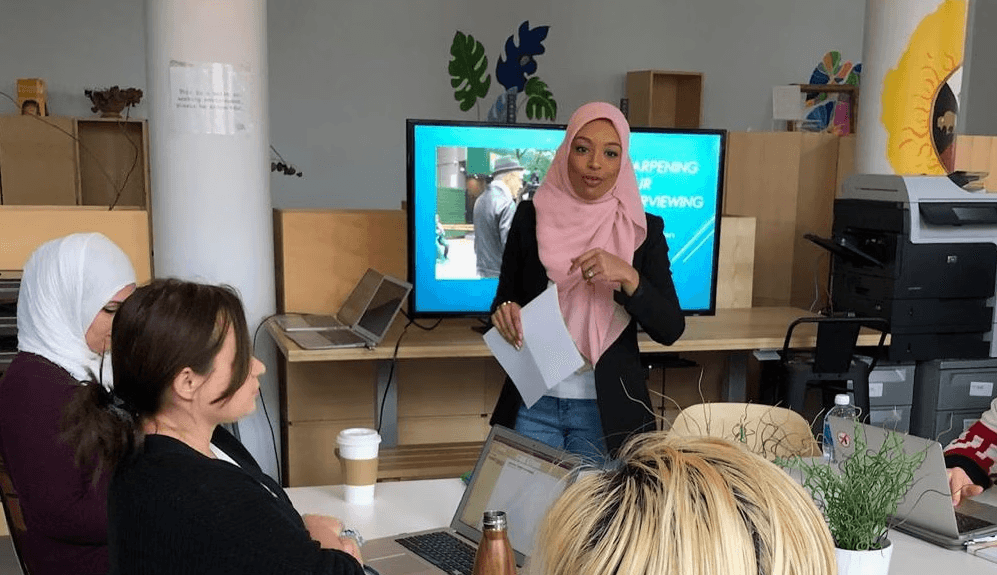
Don't let perfection keep you from telling a good story.
"We’re not ready. We just want to make sure we do it right."
I've heard that sentiment a few times in the last month, from clients facing unfair criticism and attacks. The instinct is understandable: lay low, avoid drawing more attention, and wait until things settle down.
But my advice is often the opposite. Take control of your narrative. Not by responding to every criticism, but by looking for opportunities to tell a positive story no one has heard.
The irony is that many organizations doing the most meaningful work in our communities spend years quietly making an impact, only to find themselves in the spotlight when something goes wrong. Often the attacks are unfair, misguided, and unsubstantiated. Yet they are expected to suddenly defend their reputation, when they have never invested in building it publicly in the first place.
Often, the best defence is a good offence: Putting your organizations name out there on your own terms. But when I suggest proactively pitching stories, I often get the same response: "We're not ready."
Burned by negative coverage and keyboard warriors in a time where the internet is forever, organizations can be camera shy; unwilling to put themselves out there for fear of it backfiring.
"Not ready" is often a stand in for "I'm scared". Scared of saying the wrong thing. Scared of being misunderstood. Scared of attracting negative attention. And when you've only experienced the media during difficult moments, the fear is totally understandable.
But the real fear should be about missing the opportunity to be at the centre of a great story. In my time as a journalist I learned that it's often not the perfect source who gets quoted. It's not the most educated, intelligent, or sophisticated expert. It's often the one who is most responsive, timely and available. It's the one who is ready to meet the moment with authenticity, passion, and a compelling message. Organizations who recognize that can leverage those opportunities in their favour.
One of the most important outcomes of being a part of a positive story is not the headline it might generate. It's really about the trust and credibility you build before you might need it. It doesn't make an organization immune to criticism, but it can mean a single negative headline may not be as fatal on its own.
I've spent my career on both sides of the interview, and I help organizations understand how to position themselves so that they aren't THE story, but rather the catalyst to a good story.
Too many organizations treat communications as something they do when they have extra time, enough confidence, or more certainty. But often by then, the moment has often passed.
You don't need to tell every story or respond to every headline. But if your organization is doing good every day, don't wait until a crisis to introduce yourself to the public. Because if you don't tell your story when things are going well, someone else might end up defining it when they're not.
Wondering if media training is right for you?
Take Our Assessment
More articles
Wednesday, July 22, 2026
Written by
Ginella Massa
Don't let perfection keep you from telling a good story.

Saturday, April 4, 2026
Written by
Ginella Massa
When Silence Damages the Brand: Weighing Legal vs. Reputational Risk
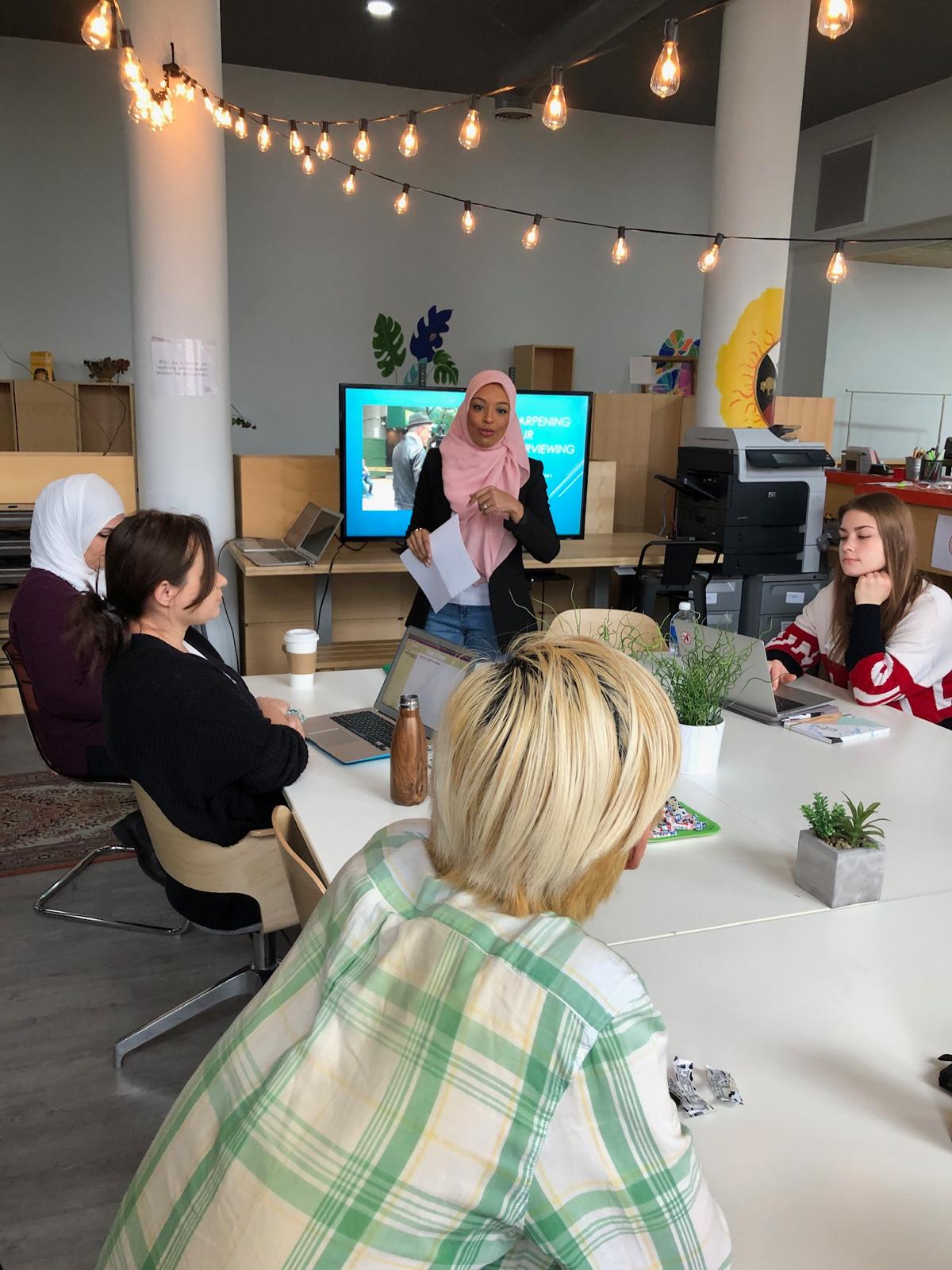
Friday, April 3, 2026
Written by
Ginella Massa
The Media Relations Advantage Most People Miss

Thursday, April 2, 2026
Written by
Ginella Massa
How to Control Your Own Narrative (Before Someone Else Does)
Don't let perfection keep you from telling a good story.
Don't let perfection keep you from telling a good story.
"We’re not ready. We just want to make sure we do it right."
I've heard that sentiment a few times in the last month, from clients facing unfair criticism and attacks. The instinct is understandable: lay low, avoid drawing more attention, and wait until things settle down.
But my advice is often the opposite. Take control of your narrative. Not by responding to every criticism, but by looking for opportunities to tell a positive story no one has heard.
The irony is that many organizations doing the most meaningful work in our communities spend years quietly making an impact, only to find themselves in the spotlight when something goes wrong. Often the attacks are unfair, misguided, and unsubstantiated. Yet they are expected to suddenly defend their reputation, when they have never invested in building it publicly in the first place.
Often, the best defence is a good offence: Putting your organizations name out there on your own terms. But when I suggest proactively pitching stories, I often get the same response: "We're not ready."
Burned by negative coverage and keyboard warriors in a time where the internet is forever, organizations can be camera shy; unwilling to put themselves out there for fear of it backfiring.
"Not ready" is often a stand in for "I'm scared". Scared of saying the wrong thing. Scared of being misunderstood. Scared of attracting negative attention. And when you've only experienced the media during difficult moments, the fear is totally understandable.
But the real fear should be about missing the opportunity to be at the centre of a great story. In my time as a journalist I learned that it's often not the perfect source who gets quoted. It's not the most educated, intelligent, or sophisticated expert. It's often the one who is most responsive, timely and available. It's the one who is ready to meet the moment with authenticity, passion, and a compelling message. Organizations who recognize that can leverage those opportunities in their favour.
One of the most important outcomes of being a part of a positive story is not the headline it might generate. It's really about the trust and credibility you build before you might need it. It doesn't make an organization immune to criticism, but it can mean a single negative headline may not be as fatal on its own.
I've spent my career on both sides of the interview, and I help organizations understand how to position themselves so that they aren't THE story, but rather the catalyst to a good story.
Too many organizations treat communications as something they do when they have extra time, enough confidence, or more certainty. But often by then, the moment has often passed.
You don't need to tell every story or respond to every headline. But if your organization is doing good every day, don't wait until a crisis to introduce yourself to the public. Because if you don't tell your story when things are going well, someone else might end up defining it when they're not.
Wondering if media training is right for you?
Take Our Assessment
More articles
Don't let perfection keep you from telling a good story.
When Silence Damages the Brand: Weighing Legal vs. Reputational Risk
The Media Relations Advantage Most People Miss
How to Control Your Own Narrative (Before Someone Else Does)
Don't let perfection keep you from telling a good story.
Don't let perfection keep you from telling a good story.
"We’re not ready. We just want to make sure we do it right."
I've heard that sentiment a few times in the last month, from clients facing unfair criticism and attacks. The instinct is understandable: lay low, avoid drawing more attention, and wait until things settle down.
But my advice is often the opposite. Take control of your narrative. Not by responding to every criticism, but by looking for opportunities to tell a positive story no one has heard.
The irony is that many organizations doing the most meaningful work in our communities spend years quietly making an impact, only to find themselves in the spotlight when something goes wrong. Often the attacks are unfair, misguided, and unsubstantiated. Yet they are expected to suddenly defend their reputation, when they have never invested in building it publicly in the first place.
Often, the best defence is a good offence: Putting your organizations name out there on your own terms. But when I suggest proactively pitching stories, I often get the same response: "We're not ready."
Burned by negative coverage and keyboard warriors in a time where the internet is forever, organizations can be camera shy; unwilling to put themselves out there for fear of it backfiring.
"Not ready" is often a stand in for "I'm scared". Scared of saying the wrong thing. Scared of being misunderstood. Scared of attracting negative attention. And when you've only experienced the media during difficult moments, the fear is totally understandable.
But the real fear should be about missing the opportunity to be at the centre of a great story. In my time as a journalist I learned that it's often not the perfect source who gets quoted. It's not the most educated, intelligent, or sophisticated expert. It's often the one who is most responsive, timely and available. It's the one who is ready to meet the moment with authenticity, passion, and a compelling message. Organizations who recognize that can leverage those opportunities in their favour.
One of the most important outcomes of being a part of a positive story is not the headline it might generate. It's really about the trust and credibility you build before you might need it. It doesn't make an organization immune to criticism, but it can mean a single negative headline may not be as fatal on its own.
I've spent my career on both sides of the interview, and I help organizations understand how to position themselves so that they aren't THE story, but rather the catalyst to a good story.
Too many organizations treat communications as something they do when they have extra time, enough confidence, or more certainty. But often by then, the moment has often passed.
You don't need to tell every story or respond to every headline. But if your organization is doing good every day, don't wait until a crisis to introduce yourself to the public. Because if you don't tell your story when things are going well, someone else might end up defining it when they're not.
Wondering if media training is right for you?
Take Our Assessment
More articles
Don't let perfection keep you from telling a good story.
When Silence Damages the Brand: Weighing Legal vs. Reputational Risk
The Media Relations Advantage Most People Miss
How to Control Your Own Narrative (Before Someone Else Does)
Let's create the news.
Together.
For select speaking engagements, media inquiries, and partnership opportunities.








Let's create the news.
Together.
For select speaking engagements, media inquiries, and partnership opportunities.


Let's create the news.
Together.
For select speaking engagements, media inquiries, and partnership opportunities.